KAIJU FIELD REPORT No. 15
Beth Bredlau, PhD Candidate at The Media School at IU Bloomington and Founder & Organizer of Godzilla In Bloomington offers three lessons for humanity from Amy Iwanabe’s life and career regarding the power of dance and doing what you love, resilience and determination, and the nature of time.
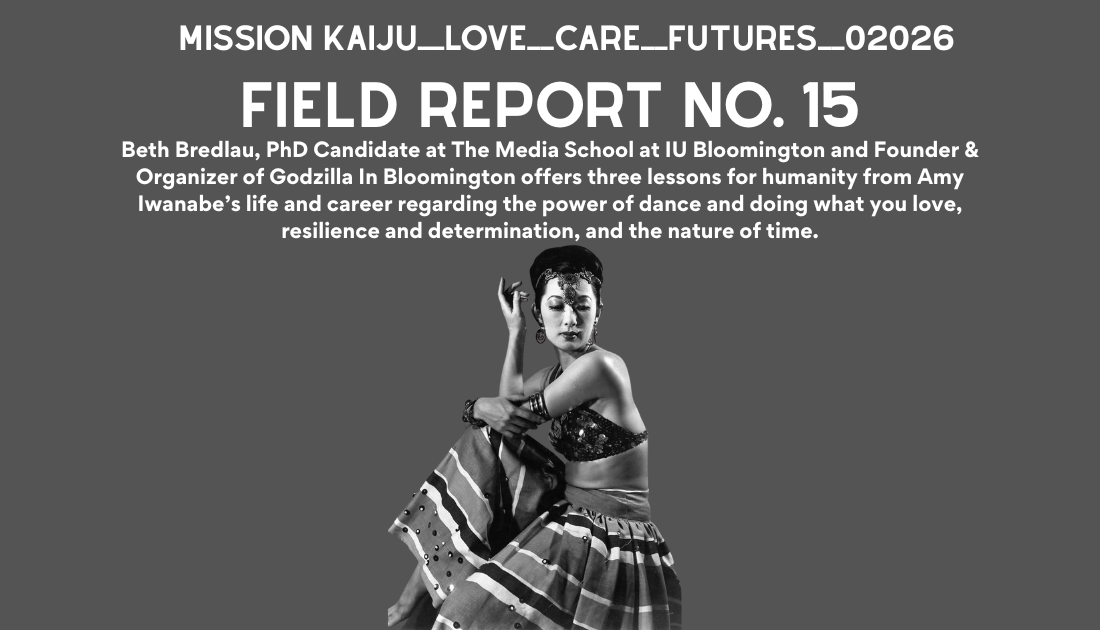
NOTE FROM MISSION HQ: We are thrilled to present this special edition Field Report penned by Godzilla scholar Beth Bredlau, which offers lessons for building better futures from the life and career of actor and dancer Amy Iwanabe—an actor, dancer, and the uncredited voice behind Emiko in Godzilla: King of the Monsters (1956). Amy Iwanabe (born January 13, 1921, died April 2010) was Nisei—a Japanese language term that refers to the children of Japanese parents born in a new country. In English, we might say second-generation.
Watch out for more writings about Amy Iwanabe and other Nisei folks in the entertainment industry and their role in the success of kaiju media. Learn more about Beth and her work here.
We are especially excited about this report because it honors a career that, until recently, has been mostly overlooked. We think this is relevant to our work at The Kaiju Papers because so much that makes up the genre that so many of us love is actually invisible: the relationships and communication required to make the films, the hours spent on practical and digital effects, the late nights, the heartbreaks, the quiet successes. We believe that part of our work in building better futures includes making the invisible visible, so that we might honor those who came before.
INCOMING TRANSMISSION///
AUTHOR’S NOTE: It is an honor to submit this Field Report regarding the life and career of Amy Iwanabe. I thank Ted and Beverly Iwanabe, Amy’s son and daughter-and-law, for invaluable materials including photographs, interviews, and other information. I also thank fellow Godzilla scholar Steve Ryfle, who so kindly introduced me to Ted. All quotes from Amy printed here are from a 2001 interview by Denise Uyehara.
In March 2026, I started an email and phone correspondence with Ted and Beverly Iwanabe. Since then, I have had the honor of receiving images, reports, family stories and more about this incredible woman from Godzilla: King of the Monsters (1956). Ted describes his mother as a modern woman—always forward thinking. He said she took risks with her dance career, auditioning for roles and gigs where the odds were against her.
What stands out to me in these materials and in an interview with Denise Uyehara is the way she talks about her dancing career in contrast to her career in film. The majority of the conversations focus on Amy’s dancing—she was most proud of her dancing. So, this is the story we tell. A story of dance, determination, and love.
The following Field Report offers three lessons for humanity from Amy Iwanabe’s life and career regarding the power of dance and doing what you love, resilience and determination, and the nature of time. This is the first piece of many for my upcoming work regarding the role and influence of Nisei folks in kaiju media.
KAIJU FIELD REPORT No. 15
- Date: July 12th, 02026
- Location: G-Fest, Chicago, IL
- Mission: Kaiju_Love_Care_Futures_02026
- Artifacts Examined:
- Original materials sent from Ted and Beverly Iwanabe in California, including an Interview with Amy Iwanabe by Denise Uyehara from September 4th, 2001.
- Screenshot from Godzilla, King of the Monsters, 1956
- Original conversations with Historian Steve Ryfle
- Rations Consumed: red bulls and vending machine snacks
- Chief of Mission (AKA Dudley the Dog) Present? No. Miss Wednesday, deputy cat presiding
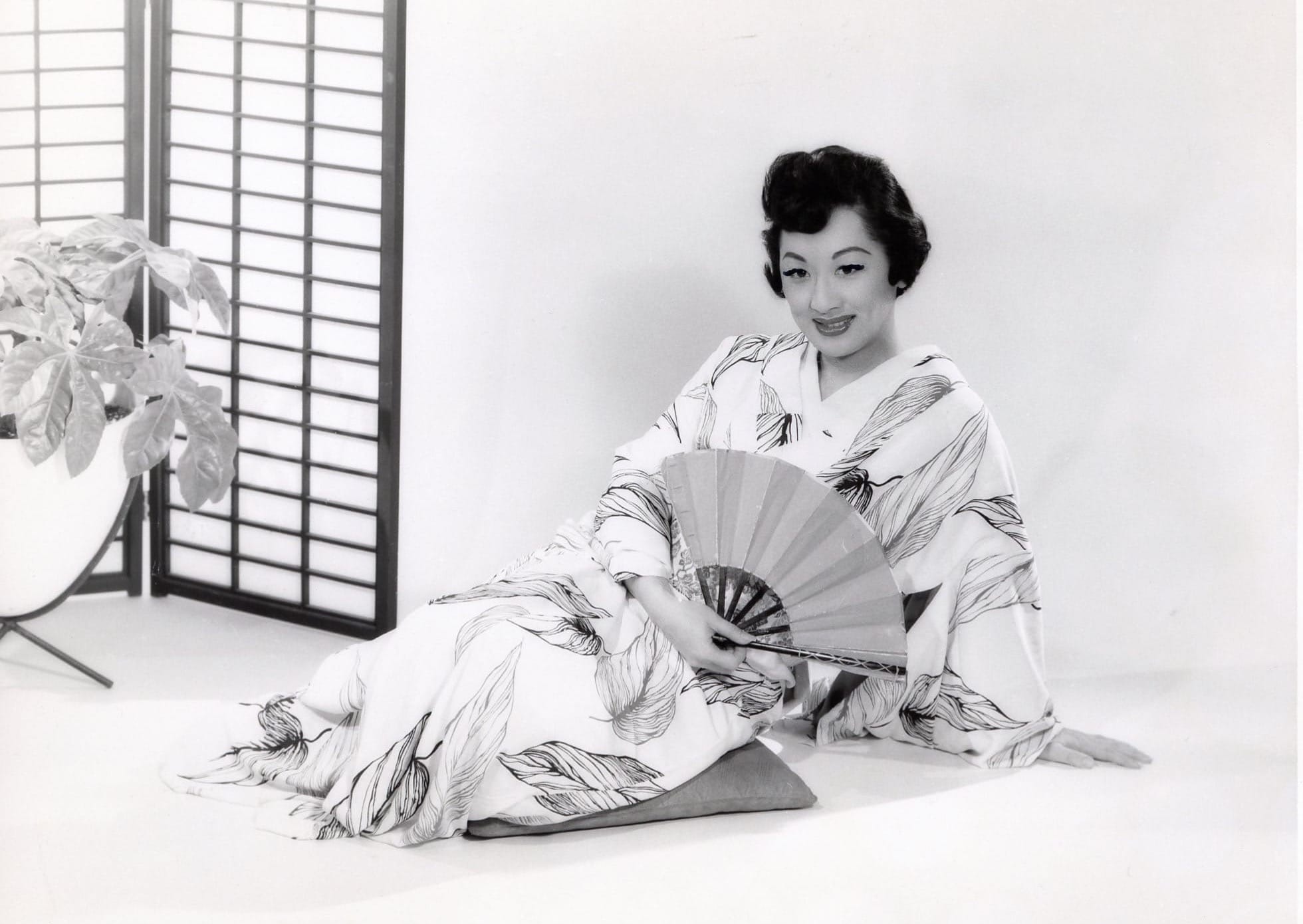
Though many kaiju fans have never heard her name, they have heard her voice. Amy Iwanabe—born Amy Kojima in California in 1921—played the English-speaking version of Emiko, the female protagonist in Terry O. Morse's 1956 film, Godzilla: King of the Monsters (1956). In Godzilla: The First 70 Years, Ryfle & Godziszewski provide some background on how the film was made:
“[the team] rewrote and heavily reworked the film to include a moody, film noir-like flashback scenario with reporter Steve Martin (Raymond Burr) recounting the events of Godzilla's Tokyo rampage. Though hurriedly and inexpensively filmed, these inserted scenes of Burr appearing to interact with the original cast-doubled by English-speaking Asian actors cleverly filmed over the shoulder and wearing wardrobe matching that of the Japanese cast-worked surprisingly well and gave the film an American perspective, enhancing its commercial potential. Voices for all Japanese characters were dubbed by just three performers: Chinese American actors James Hong and Sammee Tong, and Japanese American actress Amy "Emiko" Iwanabe.” - Page 37, The First 70 Years
Godzilla: King of the Monsters was Amy’s fifth studio film. Amy’s work on this and other films—along with the work of other Asian-Americans in the entertainment industry in the 1950s—went largely uncredited. We believe that this lack of recognition is less due to a forgetful industry and more due to racism, xenophobia, unfair labor practices, and misogyny. In other words, systemic barriers in the 1950s made her contributions invisible. This report is an attempt at intervention through visibility, and an urgent call to insist upon her inclusion within Godzilla scholarship. As the Kaiju Papers Field Office reminds the public often: everything is political.
LESSON FOR HUMANITY No. 1: Lean into what you love.
From an early age, Amy knew she wanted to be a dancer. Amy described her parents as hardworking and strict, with good intentions—a common experience among children of immigrants. Her father (a patent lawyer) and her mother (a teacher) responded to the influences of the time. The Great Depression, racism, and patriarchal norms demanded practicality: Amy’s parents pushed her to pursue a secretarial career.
Still, Amy loved to dance:
“I loved dance; it was me. Most of the time I got away with dancing, instead of having to do secretarial work. I was a better dancer than secretary. I was fortunate because dance just came to me.”
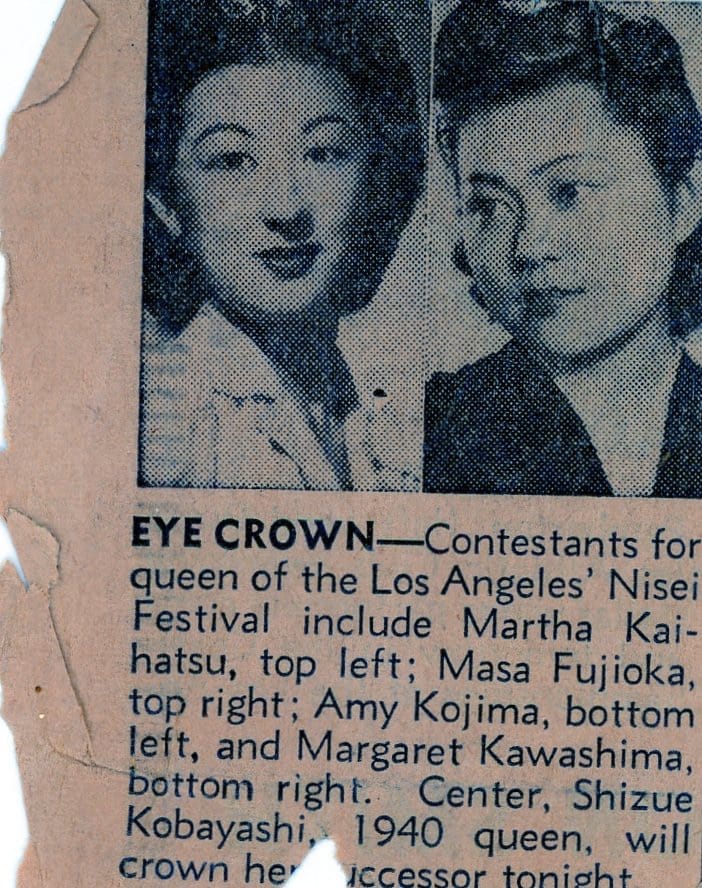
Her family warmed to and supported Amy’s dance career. She joined the local YMCA dance club, participated in the Annual Nisei Week Japanese Festival, and at the age of 14, started training with Michio Ito, a distinguished Japanese choreographer and dancer. In 1937, at the age of 16, she performed at the Hollywood Bowl in a dance number that combined 18th century Japanese dance with a waltz. Amy continued to perform up and down the West Coast through the early 1940s.
NOTE FROM THE FIELD OFFICE TEAM: we believe that Amy’s love—and perserverence—of dance shows us the virtue of leaning into the things we love. This lesson also highlights the power of family and community support in both reaching our goals and experiencing joy. We wonder: what might our shared futures look and feel like if we all had the space and encouragement to pursue our dreams? What social and economic systems would allow for this?
On December 7, 1941—the day the Empire of Japan launched an attack on Pearl Harbor—Amy, her boyfriend Tad, and a friend were watching a film at Loew’s State Theater in Los Angeles. While Amy's friend could pass as white, Amy and her boyfriend risked serious danger:
“Tad and I were watching a movie at the Loew's State Theater, and then in the middle of the movie, the lights came up, and there was an announcement. The Japs Bombed Pearl Harbor! Tad grabbed my arm and said, “Let's get the heck out of here, or we will get mobbed!” There were other Orientals in the theater, but we knew it wasn't safe”
NOTE FROM THE FIELD OFFICE: We include Amy’s exact words here for accuracy, but we remind readers—especially white readers—that the term “Orientals”is widely considered racist and outdated. It lumps a large and diverse swath of people together through a Eurocentric lens—for more on this, we recommend reading Edward Said’s book, Orientalism.
Two months later, on February 19, 1942, President Franklin D. Roosevelt signed Executive Order 9066, which forcibly relocated and incarcerated approximately 120,000 Japanese folks living in the United States—many of them American citizens. The concentration camps in which people were forcibly and unconstitutionally incarcerated were spread across the so-called United States between 1942 and 1945. Her dance teacher, Michito Ito, was detained by the FBI and deported as an “enemy alien.” Amy recalled:
“The war just stopped our lives. We all had to pack and get out of Southern California. It was a horrible feeling; it's not usual.”
In the hope of staying together during their incarceration, Amy and Tad married in March 1942 and were placed in Santa Anita temporary detention center. The pair and Amy’s family remained together in the Westside barrack, uncertain about the length and conditions of their incarceration.
While incarcerated, Amy taught fellow prisoners ballet lessons and hosted dance parties to pass the time and keep up her and others spirits:
“Sometimes I would sneak away, I found a vacant barrack, and brought in my phonograph and danced.”
Inevitably, the U.S. government didn’t see family bonds as a reason to keep them together: Tad and Amy were sent to a camp called Amache near Granada, Colorado while her parents and siblings were sent to a camp in Rohwer, Arkansas. The separation was hard on her.
“Tad and I went to Amache, Colorado; my parents and siblings to Rohwer, Arkansas. That was sad, it was really the first time I was separated from my parents. At first there was no latrines, so we had to go in buckets, but later they made toilets that flushed. We were used to clothes washing machines at home, but now we had to wash sheets and clothes by hand. I had never done that.”
Everyone had to have a job at Amache, which paid regulated wages of $21 a month. Tad became a coal miner—he was away for weeks to months at a time. While Tad was gone, Amy gave birth to their first son on July 12th, 1943. Shortly after, Tad left the camp to work at a steel mill in Chicago. (Since this was considered essential work to support the war effort, he was granted permission to leave the camp.)
Amy and son were relocated to Rohwer, Arkansas—the same camp as her parents and siblings. She remained in Arkansas until she was granted permission to go to Chicago to be with Tad in 1945. The reunion would not last, as Tad died from thrombosis shortly after her arrival.
At a crossroads with a young child, she married longtime friend Kunio Iwanabe.
Years later, Amy reflected on how she made it through:
“It was the stress that makes you wonder what makes you tick. I keep thinking about all of the little things we went through. We always managed to get through it. You have to remember that it's all right and you'll get through it.”
What made Amy Iwanabe tick? Dance.
NOTE FROM THE FIELD OFFICE: Amy Iwanabe’s love of dance—and her passion for sharing dance with others through teaching lessons and performing—underlines the importance of joy and community. As Amy herself said, “you have to remember that it’s all right and you’ll get through it.” Amy’s story also makes us think of another Japanese American artist, Ruth Asawa, who said similar things about her art and its importance in surviving internment at Rohwer.
People are remarkably resilient. Dance and other crafts have been a source of life and nourishment for so many people, since people started being people! This lesson brings to mind an exhibit on view at the Museum of Contemporary Art in Chicago, called Dancing the Revolution: From Dancehall to Reggaetón.
We wonder, though: what might our shared futures look and feel like if our systems didn’t demand resilience from so many people? What if dance, art, and joy didn’t *have* to be vehicles by which so many survive under and fight against authoritarianism?
For more thoughts on the power of dance from the Field Office Team, access Field Report No. 9, regarding the lessons for humanity featured in Ebirah, Horror of the Deep (1966)
LESSON FOR HUMANITY No. 2: Constraint does not always extinguish determination
Around 1947, Amy began dancing at the China Doll Club, a famous nightclub on Broadway in New York City whose performers included Louis Armstrong, Moro Morales, and MCs like Jack Soo.
In the beginning of her China Doll tenure, Amy adopted a Chinese name: Amy Kwan. To increase customer interest and promote the idea of exotic foreign Chinese dancers, the club managers renamed her Miss Ding Dong.
NOTE FROM THE FIELD OFFICE: while we’re unable to find sources about who owned the China Doll Club and made these decisions, we are confident that—due to economic practices and power structures in the 1940s—these decisions were not rooted in humanity, but in profit.
For further information on this topic, members of the public are encouraged to read China Dolls by Lisa See.
Amy was one of many women who adopted curated racialized stage personas. A she explained in 2001:
“We were all types: Chinese, Korean, Japanese, but our audiences couldn't seem to tell the difference, but of course, we all knew” and “If you mentioned that you were Japanese, they would kinda blackball you. I was not upset about changing my name. It was a job. My main purpose was that I wanted to dance.”
Amy’s mother tailored her costumes, which became a point of tension. She recalls her mother scolding her, saying,“You're almost naked!!” Amy retorted, “Look, it's for work, and I have to do a show.”
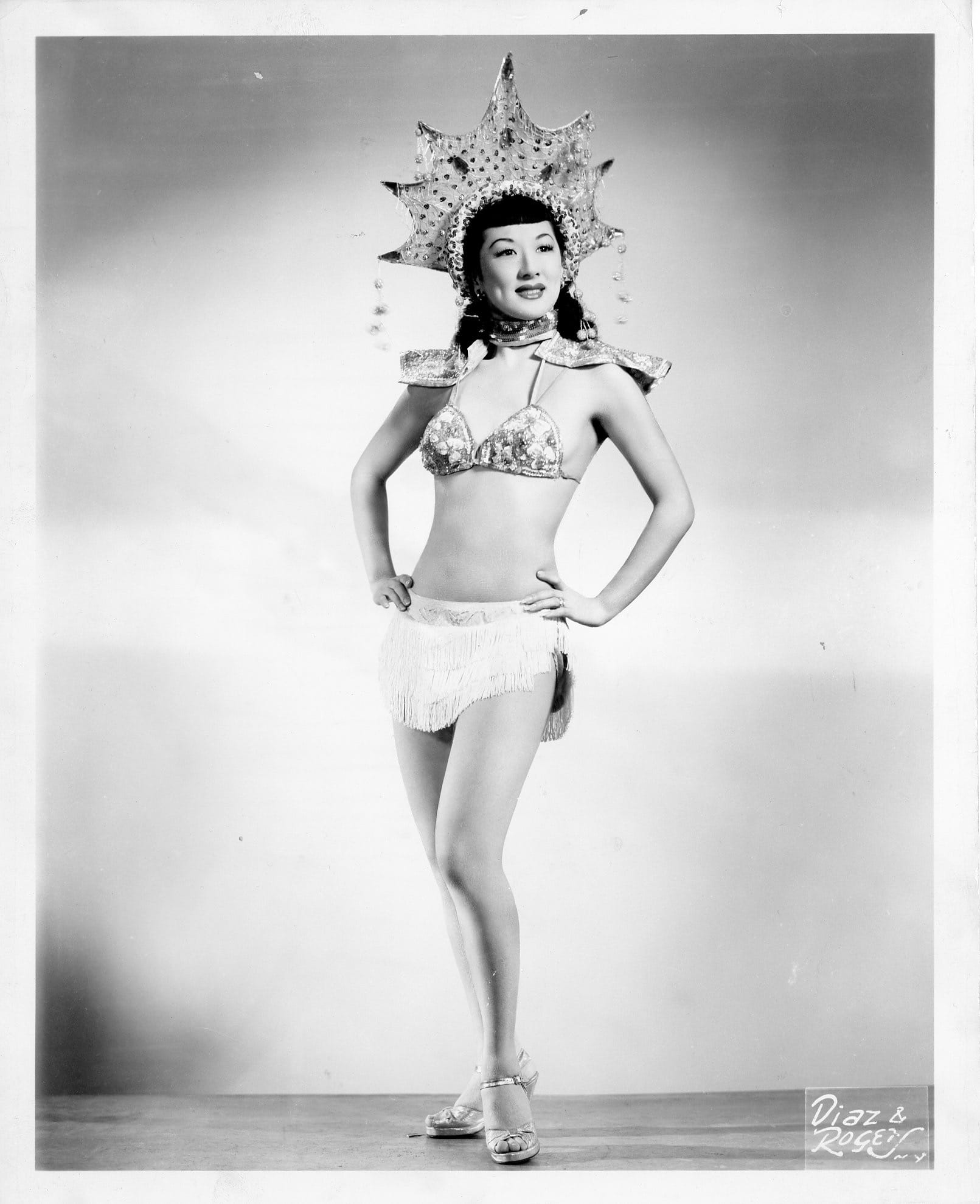
Amy’s determination to dance was stronger than the constraints of the club or even 1940s America. Within a year, she was the headline act at the club, performing three shows on the weekend,and two shows during the week. Her club work provided financial stability for her family and allowed her to indulge her love of dancing.
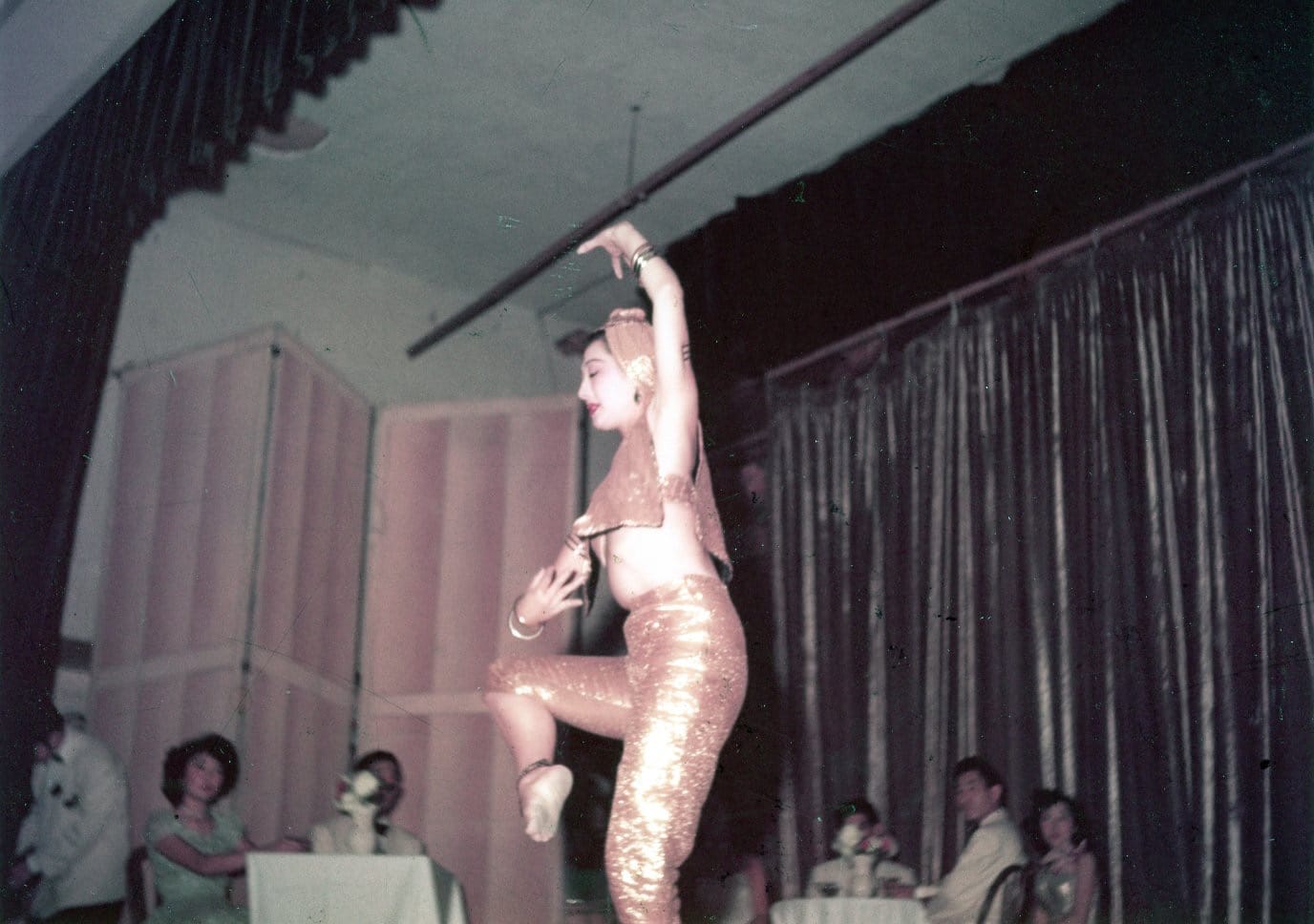
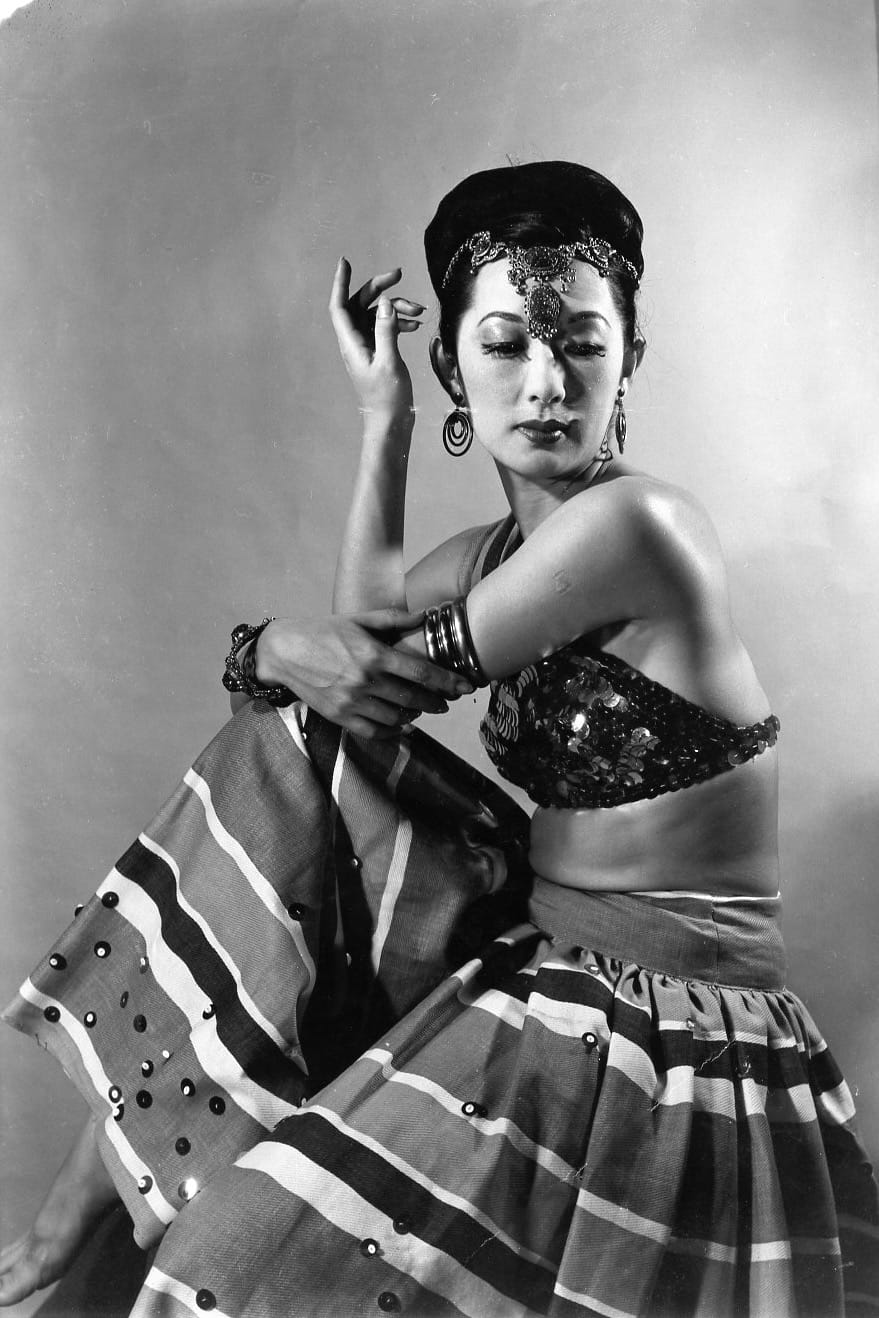
In 1948, a China Doll Club promoter wanted to take her to Vegas as a showgirl, but Amy was pregnant again! Instead of heading to Vegas, Amy moved back to the Los Angeles area and reconnected with her dance community from her time studying under Ito.
Plugging back into her community helped Amy break into and navigate Hollywood. She worked as a chorus girl and extra with a group of independent film studios known as Hollywood Poverty Row.
In 1952, Amy joined the Screen Actors Guild (SAG) under her stage name, Amy Ding Dong.
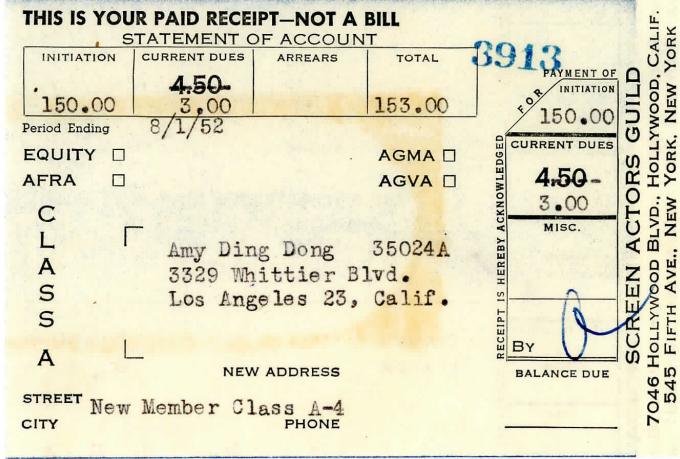
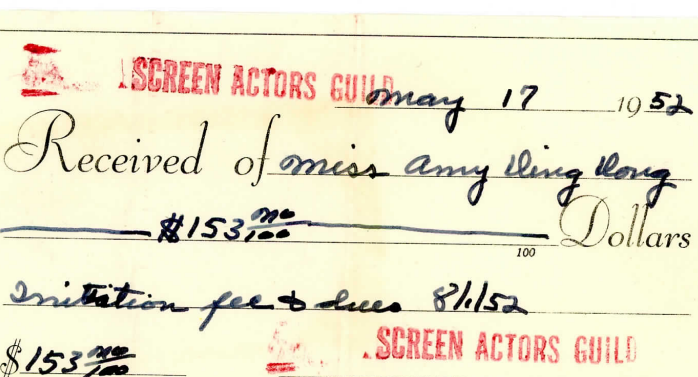
Amy Iwanabe's SAG Cards from 1952. Digital copies provided by Ted Iwanabe, 2026
Amy’s filmography includes Call Me Mister (1951), The Golden Horde (1951), Back at the Front (1952), and Godzilla, King of the Monsters (1956). In interviews, Amy shared fond memories of being on set—in Call me Mister, she was Betty Grable’s dance understudy in rehearsals. She even stood in for one of Betty Grable’s fittings:
“Once Betty Grable did not have time to do a costume fitting, so the costume designer fitted me, since we were the same size.”
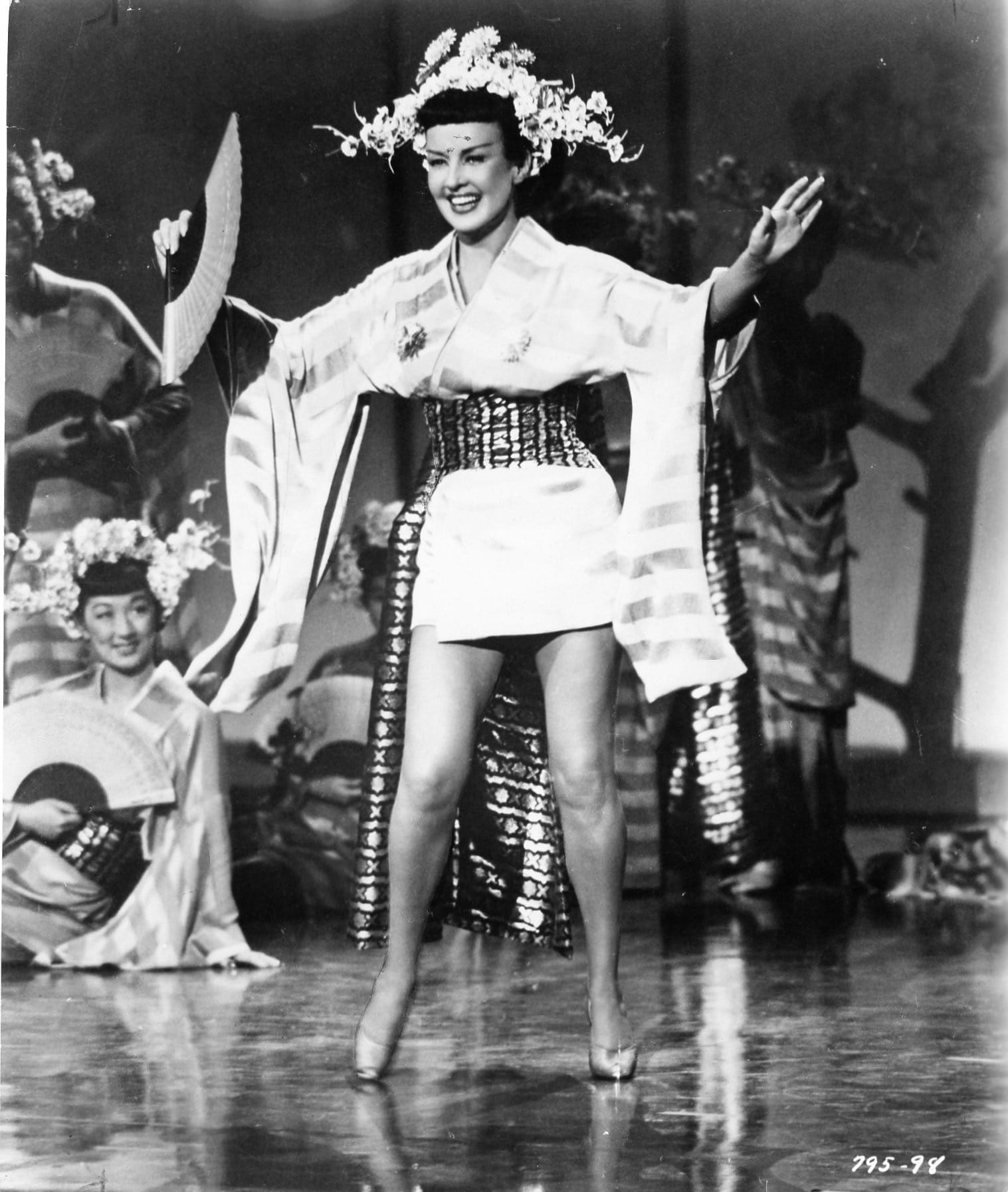
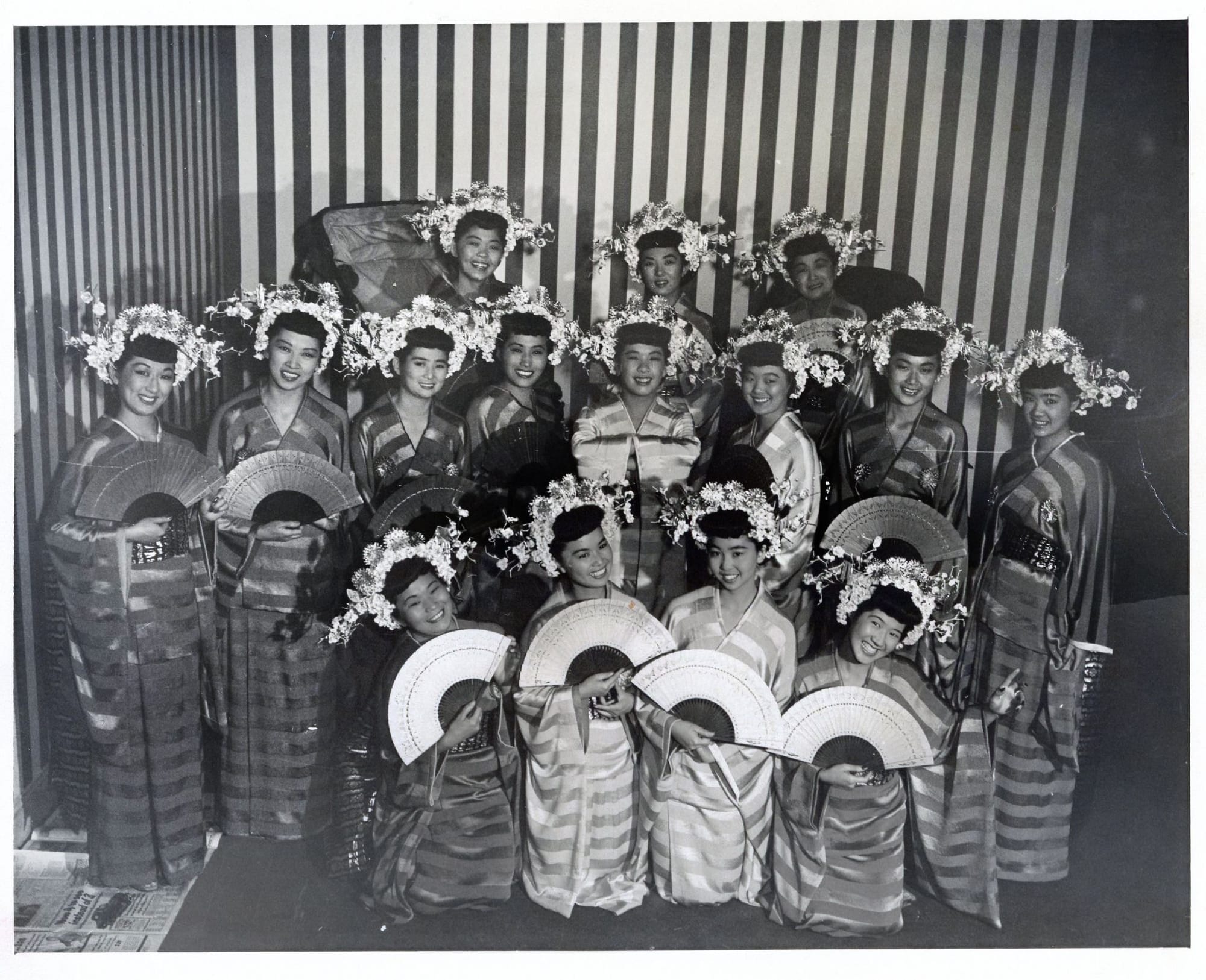
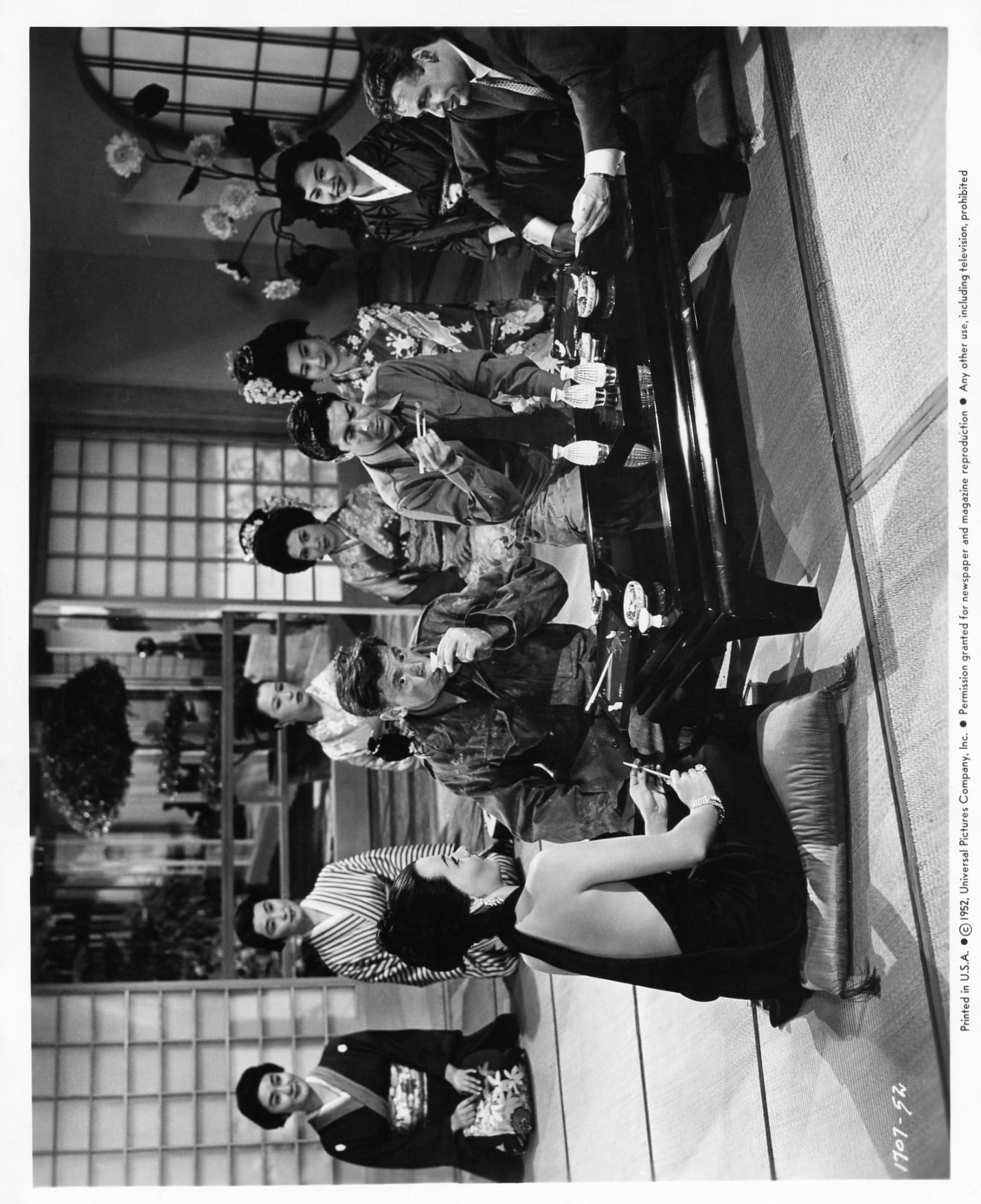
From left: (1) Amy is sitting down, and Betty Grable is wearing the costume Amy was fitted for. Movie still from Call Me Mister, 1950, starring Betty Grable. (2) Amy Iwanabe is standing far left with a big smile. 1950. BTS image from Call Me Mister dance group. Courtesy of Ted Iwanabe (3) Amy is seated in the back row, between the gentleman with the side hair clip. Movie still from Back at the Front, 1952. All photographs courtesy of Ted and Beverly Iwanabe.
Amy reflected on her time working in film: “It's good, as long as you’re working, even if it's behind the scenes, right?”
After working on Back at the Front, Amy landed a role as Emiko Yamane, the female protagonist in Godzilla King of the Monsters (1956). She was a perfect fit: she looked similar to actress Momoko Kōchi (who played Emiko in Godzilla (1954)), could translate Japanese, and had stage experience.
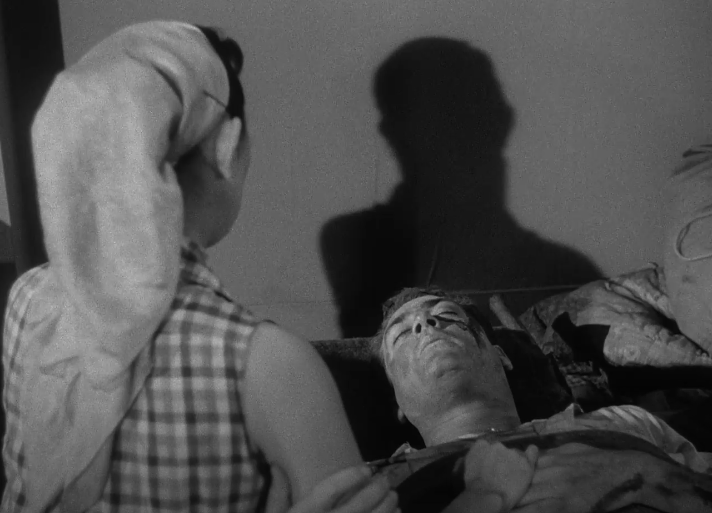
While we only *see* Amy as Emiko from behind during the hospital scenes with Raymond Burr, we hear her voice throughout the film—and it’s her narration that drives the plot. Her voice guides us through the terrible casualties at the hands of Godzilla. Her voice and emotion help us understand the potential (and power) of Dr. Serizawa’s Oxygen Destroyer. Amy brings the story to life.
Amy is not an invisible extra nor a minor role. In fact, her voice and body—her intruments—are central to the film.
While we don’t know how much Amy made for her work on the film, we do know that she did not receive residuals from the film. She never worked on another Toho or Transworld film.
Amy's dance and film career ended in 1958 when she found steady non-theatrical work with companies like General Electric and DuPont until her retirement in the 1980s.
Ted Iwanabe, Amy's second son, was around eight years old when Godzilla was released. He told me that he remembers walking about Los Angeles and seeing a movie poster, and shouting “my mom is in this movie!” And whenever the film would air on television, the family would watch the film, waiting for her scenes with Raymond Burr.
More than any of her other roles, Emiko in Godzilla: King of the Monsters is closer to an accurate representation of who Amy was. Emiko is a modern Japanese woman. She is an active participant who makes key decisions and acts as a moral center to the story..
While this film is far from perfect, it is worth mentioning that it is a rare example where Amy’s Nisei identity was a strength rather than a disadvantage.
Although she could never escape the anti-Japanese repercussions of World War II, she navigated her environment by adapting to it. Her roles—on and off the screen—never reflected her Nisei identity, but her strong sense of self and determination allowed her to separate herself from the roles she played.
As we work to build better futures, we can learn from Amy’s story: Her hardships did not define her. She was defined by determination, persistence, and joy throughout her struggles.
NOTE FROM THE FIELD OFFICE:
We are struck by Amy Iwanabe’s knowledge of herself. She knew what she wanted. She knew who she was, she advocated to nourish this part of her, and she had the support of her family and network.
We wonder: what might our shared futures look and feel like if we all had the chance to know ourselves—whatever that means for each individual? To not only know ourselves, but to nourish ourselves? We think Amy has much to teach us about purpose, joy, and self-knowledge.
We encourage readers to also remember that multiple things can be true: we can honor Amy’s legacy, determination, and resilience. We can also wonder what our shared futures might be like if women of color were not forced to navigate the white gaze and eurocentrism that has shaped American culture and its fetishization of Asian and Asian-American women. What might Amy’s dance career have been if she could perform as her whole self? We do not know, and we cannot speak for Amy, but we do think that we should keep these ideas in mind as we work to build better futures.
LESSON FOR HUMANITY No. 3: Nothing lasts forever, and that’s okay
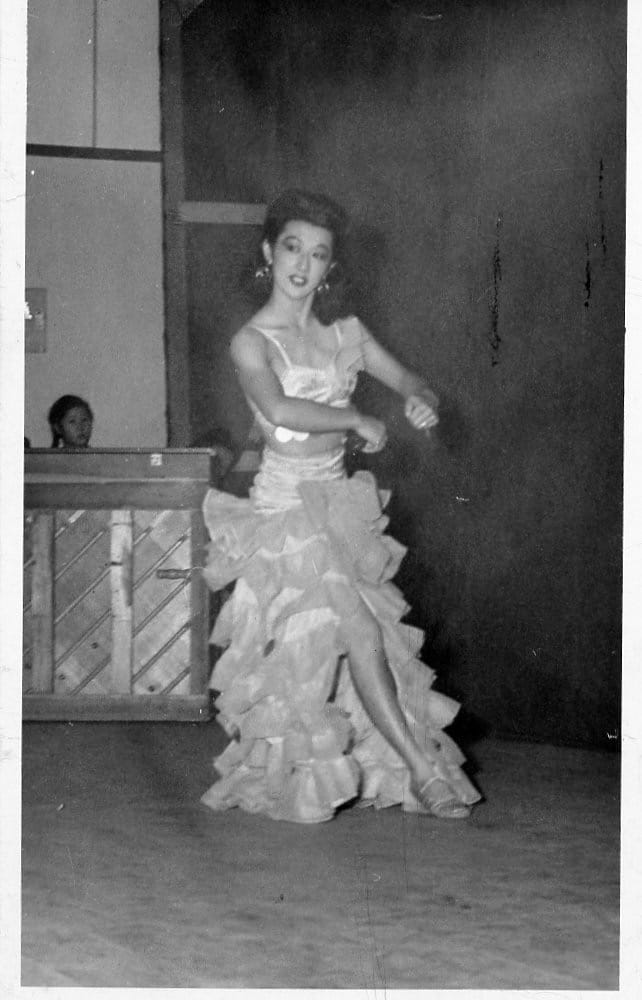
It wasn't until a 2001 interview with Denise Uyehara that Amy’s early career received recognition and documentation. Regarding past hardships endured in internment camps; working in clubs; and traveling the country, she said:
“I don't resent anything because everything can't be perfect. I look back and think I enjoyed my life in spite of what was going on in the world. I was not the typical Nisei woman. I liked the things I was doing because it took the pressure off. I made up my mind when I was 14 to make dancing my career. I was lucky I was around people who accepted me and my love of dance.”
NOTE FROM THE FIELD OFFICE: We are reminded of a lesson featured in Field Report No. 5, which explores lessons for humanity from Mothra vs. Godzilla (1964): All things end, and time is a spiral.
We are incredibly grateful to Beth Bredlau for sharing this knowledge with us and with the world.
We hope that this Field Report is the beginning of Amy Iwanabe’s inclusion in Godzilla and Kaiju scholarship, and we remember—with love—that Amy loved to dance.
Beth Bredlau,
PhD Candidate, The Media School at Indiana University, Bloomington
Founder & Organizer, Godzilla in Bloomington
NOTE: This Field Report represents a small portion of the materials Beth Bredlau received from the Iwanabe family. There are more interviews, images, recordings, etc., which will gradually be released in future biographical writings on her amazing life and as part of further and ongoing projects. Be sure to follow Beth’s work to keep up to date.